
Recognizing early signs of Autism Spectrum Disorder (ASD) is one of the most important steps in getting children connected to the support, therapy, and resources they need. Early intervention can make a life-changing difference. Below, we explore common signs of autism, when to seek help, and how Advance Therapy supports families through personalized ABA therapy and guidance.
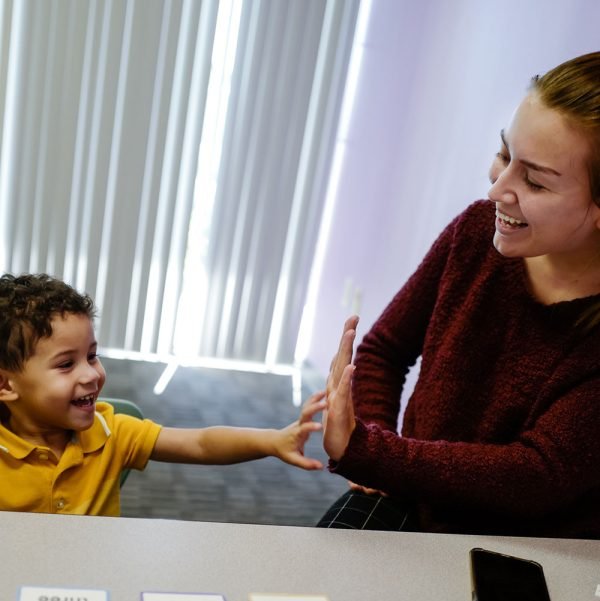
Children on the autism spectrum may show differences in how they communicate and engage with others, such as:
Delayed or limited speech, or loss of previously learned speech
Not responding to their name
Difficulty understanding or using facial expressions
Avoiding physical contact or preferring independent play
Limited or brief eye contact
Difficulty expressing wants and needs
Becoming frustrated when others join their activity or change the play routine
Repeating words, phrases, or sounds without clear communicative intent
Difficulty understanding or responding to nonverbal cues
Challenges starting or maintaining conversations
Repetitive or highly focused behaviors can also be signs of ASD:
Repetitive motions like hand flapping or rocking
Strong fixation on a specific object or activity
Focusing on parts of objects, such as spinning wheels
Eating a very limited variety of foods or textures
Rigid attachment to routines and distress when routines change
Children with autism spectrum disorder often have difficulty processing certain stimuli or multiple stimuli. This can lead, in turn, to challenging behaviors and/or avoidance of certain items, activities, and places. Sensitivities may include, but are not limited to: Noises, Lights, Smells, Tastes, and Balance.
Children with ASD may also be sensitive to awareness of their body’s movement and position or internal body sensations. Hypersensitivity or hyposensitivity to sensory stimuli may lead to behaviors including:
Certain signs of autism can be more evident at certain ages:
Lack of smiling in response to others
Not imitating gestures (like pointing or waving)
Limited cooing or babbling
Not engaging in simple social games (peek-a-boo)
Limited interest in other children
Not reacting when someone is upset
Strong attachment to routines
Difficulty handling small changes
Fixation on specific objects or topics
Limited pretend or imaginative play
Resistance to group activities
Sensitivities to textures, lights, sounds, or foods
Difficulty processing language
Rigid interests
Preferring to spend time alone
If you’ve noticed any of these signs—or you have concerns about your child’s development, communication, or behavior—it’s important to seek a professional evaluation as early as possible.
At Advance Therapy, we guide families through the entire diagnostic process by connecting them with trusted providers and helping them prepare for evaluations. A typical assessment begins with a parent or caregiver interview, where you discuss your child’s development, behavior, and any concerns. This is followed by questionnaires and a review of your child’s developmental history, providing detailed insights into their progress and challenges. Next, a licensed evaluator observes your child in a play-based setting to understand their natural behavior, social interaction, and communication skills. Standardized assessment tools, such as the ADOS-2, are then used to provide a structured, evidence-based evaluation. Throughout the process, the evaluator ensures your child feels comfortable and supported, creating a child-friendly environment that allows for an accurate and comprehensive assessment.
At Advance Therapy, our assessment approach is personalized and child-focused. We understand that each child is unique, and a cookie-cutter approach is inadequate. Getting a complete picture of your child’s development, strengths, needs, and challenges is key to an accurate evaluation.
After an autism diagnosis, early intervention is key to ensuring optimal outcomes for your child. ABA therapy, an evidence-based approach to helping children with autism, can help your child learn the communication, language, social, and life skills they need to bloom and succeed. For the best outcome, ABA therapy needs to start early.

At Advance Therapy, we’re dedicated to fostering your child’s learning and success. We also make parents, families, and caregivers active partners in the therapy process. From helping you understand autism to coaching you in fostering your child’s progress outside of therapy, we’re here for you each step of the way.
To learn more about starting your child’s ABA therapy journey at Advance Therapy, contact us today!